I am a radiation oncologist from Sydney in Australia and attended the second edition of this course held in Ghent, Belgium in March 2026. I have been to several ESTRO courses in the past and always found them a pleasant and easy way to keep up to date. Having a small group and relatively large Faculty makes discussion easy. They also provide a supportive atmosphere for delegates.
There were 32 participants from many countries including two of us from Australia. Travel from Australia is difficult at the moment and I spent a frantic week changing flights to avoid the problems in the Middle East. My braver colleague was still going back via Dubai despite long delays and air raid alarms on the way over.
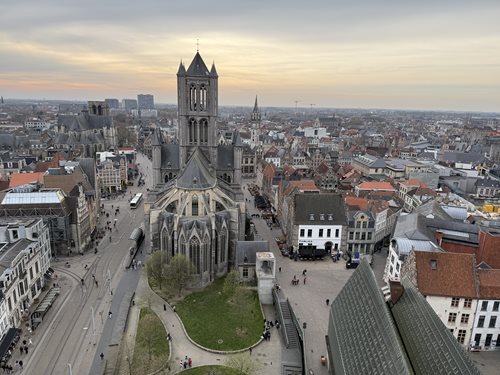
Ghent is a beautiful small city and easily reached from Brussels airport as well as being close to popular tourist spots such as Brugge and Antwerp. The venue was right in the city centre with cathedrals and canals next door. The hotel had excellent conference facilities and an apparently constant supply of food and coffee.
The course itself covered a wide range of basic science and clinical applications. As someone who remembers being told in the 1970’s that immunology was going to transform medicine, it is interesting to see that it might finally be happening. However, the old message that it would render all other cancer treatments obsolete has now changed as we try to find ways to combine multiple modalities to maximise cure and remission with minimal toxicity.
Day 1 provided an overview of the science of immunology and its relationship with radiotherapy which was a very helpful way to catch up with progress in the basic sciences. Day 2 was more clinical and included a good discussion of response monitoring, spatial fractionation and the oligometastatic state which led well into Day 3 with presentations on combination therapy, clinical trials and future prospects.
The Faculty and audience were quite varied which helped maintain interest and present different viewpoints in the discussions. It remains very difficult to transfer promising mouse work to humans, and I was pleased to find that I am not the only one who does not know the best radiotherapy dose and fractionation to use with immunotherapy.
Take home messages:
- Immunotherapy works but we don’t know how best to combine it with radiotherapy
- The microbiome has a very important influence on immunotherapy and on the side effects of radiotherapy
- The abscopal effect remains elusive in people
If the course runs again in two years, I can recommend it as a great way to keep up with a rapidly changing field. In fact, the same could be said for all the ESTRO courses.
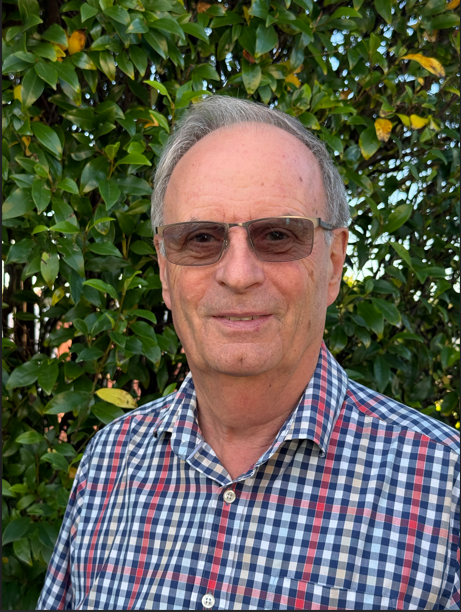
A/Prof Michael Jackson
Director of Radiation Oncology
Prince of Wales Hospital
Sydney
Australia
michael.jackson2@health.nsw.gov.au