Course on Haematological Malignancies
15 − 18 April 2026, Lisbon, Portugal
Course report
Course Director
- Lena Specht, clinical oncologist, Rigshospitalet, University of Copenhagen, Denmark
Course Co-Director
- Joachim Yahalom, radiation oncologist, Memorial Sloan-Kettering Cancer Center, New York, USA
When a colleague forwarded me the details of the ESTRO haematological malignancies course in Lisbon, the programme immediately stood out to me. My daily clinical practice in Australia includes this type of malignancy, and because our hospital houses a large chimeric antigen receptor (CAR)-T cell therapy unit, I am always looking for ways to optimise how we integrate radiation with cutting-edge systemic treatments. The chance to learn directly from international experts in this setting was an opportunity I couldn't pass up.
Ultimately, the course didn't just meet my expectations—it exceeded them.
A Perfect Balance of Fundamentals and Future Data
What made the course so valuable was its structure. It provided a thorough overview of the fundamental principles of radiotherapy for haematological malignancies while seamlessly weaving in data from the latest clinical trials and updates. Rather than just sitting through standard lectures, we engaged in case-based discussions and interactive sessions. It was also marvellously beneficial to hear from international haematologists, who presented the latest systemic therapy guidelines and therefore gave us a truly comprehensive view of patient care.
For me, the experience was a great opportunity to improve and consolidate my knowledge, leaving me with several key clinical takeaways to bring back to my department.
- Bridging Radiotherapy for CAR-T Cell Therapy: I gained much deeper insight into how we can effectively utilise radiation to manage disease burden while patients prepare for cellular therapy.
- Ultra-Low-Dose Radiotherapy: we should explore the nuances of using very-low-dose radiation for specific cases of indolent lymphoma.
- Systemic Therapy Integration: we should align our radiation planning with the many updates that are happening in systemic treatments.
Exciting Publications on the Horizon
We were also given a glimpse into data and literature that will likely reshape our field by the end of the year. Two major updates to keep an eye on are:
- formal CAR-T guidelines: official consensus guidelines on bridging radiotherapy for CAR-T cell therapy are expected to be published toward the end of 2026; and
- The International Lymphoma Radiation Oncology Group’s study on reductions of doses to diffuse large B-cell lymphoma (DLBCL): we are awaiting the full manuscript describing this multicentre study on reducing the radiation dose to 20Gy, particularly to patients with Deauville scores 1-3 DLBCL, after three cycles of systemic therapy. The data presented at the 2025 annual meeting of the American Society for Radiation Oncology were highly impressive, showing a three-year freedom from local recurrence rate of 98.6%.
A Truly Global Community
Beyond the excellent scientific programme, the atmosphere in Lisbon was wonderful. There were 24 countries represented, making it a fantastic, diverse group of people. This mix provided not only a top-tier learning environment but also a special space in which to connect, share regional perspectives, and build relationships with colleagues from all corners of the globe.
If you have never been to an ESTRO course before, I highly encourage you to sign up for the next one. Whether you are looking to reinforce your everyday practice or get ahead of upcoming clinical trials, it is an unmatched opportunity for professional growth.
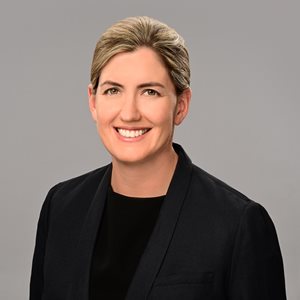
Dr Penny Mackenzie
Radiation oncologist
The Royal Brisbane and Women’s Hospital
Brisbane, Australia
penny.mackenzie@health.qld.gov.au